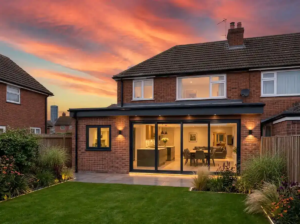
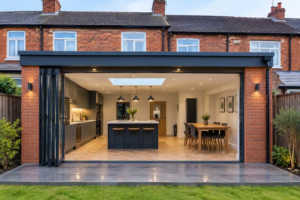
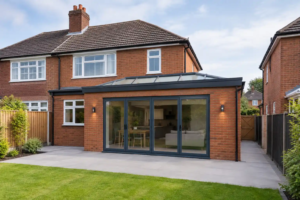
A home extension is one of the smartest ways to add space, value, and comfort to your property. But before anything begins, every homeowner asks the same question…
“How long will my home extension take?”
The truth? Timescales vary, but with the right planning and a reliable contractor like J M A Group, the process becomes predictable, manageable, and stress-free.
This guide breaks down realistic timelines, key factors, and expert tips to help you plan confidently.
How Long Does a Home Extension Take in the UK?
Most UK home extensions take between 8–20 weeks, depending on complexity, size, planning permissions, materials, and the condition of your existing property. Smaller rear or side extensions can be completed more quickly, while larger two-storey builds naturally require more time.
Below, we break down each stage clearly so you know exactly what to expect.
Typical Home Extension Timeline (Step-by-Step)
Each home extension goes through a predictable set of stages. Here’s the usual timeframe:
1. Initial Consultation & Design – 1 to 3 Weeks
This includes discussing your goals, budgets, materials, and design inspirations.
Key Tasks:
- Site survey
- Concept drawings
- Cost estimation
- Project planning
At J M A Group, our design team helps streamline this stage so you get clarity early on.
2. Planning Permission – 4 to 12 Weeks
Not all extensions need planning permission, but when they do, you must allow time for approval.
- Local councils typically respond in 8 weeks
- Larger or more complex projects may take up to 12 weeks
- Extensions under Permitted Development Rights can skip this step entirely
3. Building Regulations Approval – 4 to 6 Weeks
Building Regulations ensure your extension is safe, energy-efficient, and structurally sound.
This may happen while planning permission is being processed, saving time.
4. Groundworks & Foundations – 2 to 3 Weeks
This includes digging, drainage, and laying foundations.
Issues that may add time:
- Poor soil quality
- Discovery of old pipework
- Weather delays (common in UK winters)
5. Structural Work – 3 to 6 Weeks
This is the core build, including:
- External walls
- Roof installation
- Steel beams (RSJs)
- Door and window openings
Most delays happen here if materials aren’t available or structural surprises occur.
6. Roofing, Glazing & Exterior Finishes – 2 to 4 Weeks
After the shell is built, your property starts to look like a finished extension.
7. Interior Work – 3 to 6 Weeks
This stage includes:
- Plumbing
- Electrics
- Plastering
- Flooring
- Painting
- Heating installation
At J M A Group, our in-house trades keep this phase tightly coordinated.
Factors That Affect Your Home Extension Timeline
1. Size & Style of Extension
- Single-storey: 8–12 weeks
- Double-storey: 12–20 weeks
- Wrap-around: 14–22 weeks
2. Planning Permission Requirements
If planning permission is needed, expect a longer overall timeline.
3. Material Availability
Material shortages across the UK can affect build times. In 2023, 61% of contractors reported delays due to material supply (source: UK Construction Industry Data – external).
4. Structural Complexity
Older properties often require reinforcement, additional insulation, or custom work.
5. Your Contractor’s Experience
Choosing experts like J M A Group ensures faster, safer, and smoother extensions thanks to:
- Skilled teams
- Reliable suppliers
- Clear timelines
- Transparent communication
How J M A Group Ensures Timely Home Extensions?
We understand how important deadlines are for homeowners. Our process focuses on efficiency and clarity:
- Fast initial consultations
- Realistic timelines, no false promises
- Dedicated project managers
- Detailed weekly progress updates
- Qualified builders and engineers
- Transparent costs
We build on time, and more importantly, we build right.
Why Are Home Extensions Worth the Wait?
Even if your project runs 10–20 weeks, the benefits last decades:
- Up to 20% increase in property value
- More space for living, working, or relaxing
- Reduced moving costs
- Custom designs tailored to your lifestyle
- Better long-term energy efficiency
FAQs
1. Can a home extension be done faster?
Sometimes, yes, especially with modular designs or basic single-storey builds. But speed should never compromise structural quality.
2. What can delay an extension?
Planning permission, ground issues, material shortages, and unexpected structural problems are the most common factors.
3. Do I need to move out during the build?
Most homeowners stay in their property unless major internal walls or utilities are affected.
4. When is the best time to start an extension?
Spring and summer offer fewer weather delays, but autumn projects often get quicker availability from contractors.
Conclusion
A home extension is a major investment, and understanding the timeline helps you plan your life around the build. With J M A Group, you get a team committed to delivering on time, on budget, and with exceptional finish quality.
If you’re ready to start planning your dream extension, our experts are here to help every step of the way.
Start your project today: https://www.jmagroup.co.uk/contact