If you’re planning a home or commercial renovation, one of the first questions you’ll ask is: “Do I need planning permission for my renovation?” Knowing the rules early can save time, money, and stress.
At J M A Group, we provide expert renovation and interior design services across the UK. From minor room updates to full-scale transformations, understanding when planning permission is required ensures your project runs smoothly and stays compliant. This guide breaks down common scenarios, timelines, and tips to help your renovation succeed.
What is Planning Permission?
Planning permission is official approval from your local council for certain building works. Not all renovations need permission, but it’s required if your project:
- Alters the structure of your building
- Adds extensions or loft conversions
- Changes the exterior appearance
- Affects neighbouring properties or listed buildings
When Do You Need Planning Permission?
Certain renovations almost always require permission:
1. Extensions & Loft Conversions
- Single or double-storey additions
- Loft conversions into bedrooms or offices
- Dormer windows or balconies
2. Structural Changes
- Removing or adding load-bearing walls
- Creating open-plan layouts
- Installing large windows or doors
3. Listed Buildings or Conservation Areas
- Any external or internal alterations
- Renovations in protected neighbourhoods
4. Change of Use
- Converting residential property to commercial space
- Adding rental units or offices
Some minor works fall under permitted development rights, meaning you don’t need planning permission:
- Small single-storey extensions within size limits
- Interior redecorations and refurbishments
- Fencing, sheds, or small porches under certain dimensions
Always confirm with your local planning authority before beginning work.
Typical Renovation Scenarios
| Renovation Type | Planning Permission Required? | Notes |
| Single-room interior update | No | Includes painting, flooring, and furniture replacement |
| Kitchen or bathroom remodel | No | Structural changes may need permission |
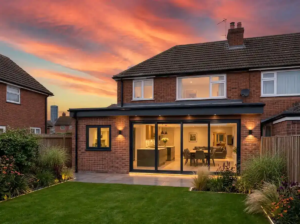
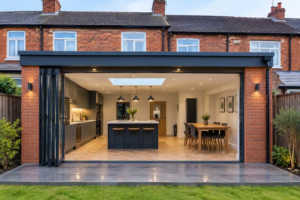
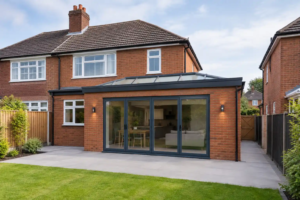
| Rear extension | Yes | Small extensions may be permitted development |
| Loft conversion | Usually yes | Must comply with building regulations |
| Conservatory | Sometimes | Size and height determine approval |
| Garage or outbuilding | Sometimes | Depends on location, size, and intended use |
Steps to Obtain Planning Permission
- Check local authority requirements: Rules vary by council.
- Submit a planning application: Include drawings, layouts, and details.
- Wait for approval: Usually 8–13 weeks.
- Starting work only after approval: begins early can cause legal issues.
- Hire professional designers: They ensure compliance and smooth progress.
At J M A Group, we guide clients through each step, reducing stress and avoiding mistakes.
Tips for a Smooth Renovation
- Consult early Engage designers before work begins.
- Understand permitted development Some projects don’t need formal permission.
- Work with experienced professionals avoids costly delays or errors.
- Maintain clear communication Keep your council and contractors informed.
Why Choose J M A Group?
Choosing the right team ensures your renovation is timely, compliant, and stylish. J M A Group provides:
- End-to-end project management From planning to handover
- Expert interior design Combining function and style
- Planning and permission guidance Avoid fines or delays
- Coordination with suppliers and contractors All stages professionally managed
Explore our services: J M A Group Renovation Services
FAQs
1. Do I need planning permission for internal changes?
Minor internal renovations rarely require permission unless structural.
2. What if my property is listed?
Listed buildings need permission for almost all alterations.
3. How long does planning approval take?
Typically 8–13 weeks, depending on council and complexity.
4. Can I start work without permission?
No. Doing so can result in fines or enforcement action.
Final Thoughts
So, do I need planning permission for my renovation? The answer depends on your project’s size, location, and structural impact. Minor refurbishments may not require it, but extensions, loft conversions, and work on listed buildings almost always do.
At J M A Group, we manage renovations efficiently, ensuring compliance, style, and quality. With our expert guidance, your renovation will be stress-free, on schedule, and deliver outstanding results.
Ready to renovate with confidence? Contact J M A Group today and let’s create the space you’ve always dreamed of.