A home extension typically adds 5–15% to your property’s value in Birmingham. Kitchen extensions and loft conversions deliver the strongest returns. The exact uplift depends on quality, location, and design.
Birmingham’s property market rewards extra space highly. Buyers want open-plan living and extra bedrooms. Extensions deliver both without moving house.
Key Takeaways
- Home extensions add 5–15% to Birmingham property values on average.
- Kitchen extensions and loft conversions offer the strongest returns.
- Quality and design matter as much as square footage.
- Most standard extensions fall under Permitted Development rights.
- Proper paperwork protects your value uplift at resale.
This guide breaks down the real numbers. You’ll learn which home extensions pay off best. We’ll also cover local market trends and practical tips.
Why Does Extra Space Matter So Much in Birmingham?
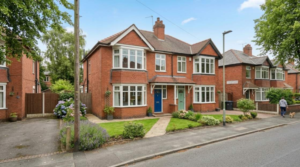
Birmingham’s housing stock is dominated by terraced and semi-detached homes. Many were built with small, separate rooms. Modern buyers expect open, flexible layouts instead.
Space is now a top priority for buyers. Estate agents consistently report this trend. Extensions directly address this growing demand.
Areas like Moseley, Edgbaston, and Kings Heath show this clearly. Extended homes sell faster than non-extended ones. They also command higher asking prices.
Which Types of Extensions Add the Most Value?
a. Kitchen Extensions
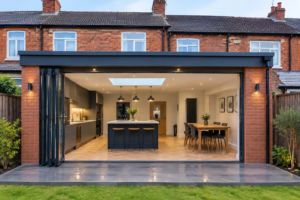
Kitchen extensions offer the best return on investment. They create the open-plan living space buyers want most. Expect a value increase of 8–12%.
b. Loft Conversions
Adding a bedroom through a loft conversion works well too. Extra bedrooms significantly boost family home appeal. This typically adds 10–15% to property value.
c. Rear Extensions
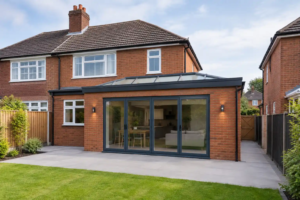
Rear extensions expand living and dining areas. They suit homes with usable garden space. Value increases average 5–10% depending on size.
d. Side-Return Extensions
These work best for terraced houses specifically. They use unused alley space efficiently. Value gains typically sit around 6–8%.
Comparison: Extension Type vs Average Value Increase
| Extension Type | Typical Cost (2026) | Average Value Increase |
| Kitchen extension | £25,000–£55,000 | 8–12% |
| Loft conversion | £35,000–£65,000 | 10–15% |
| Rear extension | £35,000–£55,000 | 5–10% |
| Side-return extension | £25,000–£40,000 | 6–8% |
These figures assume good-quality finishes and design. Poorly planned extensions can underperform these averages.
Does Extension Quality Really Affect Resale Value?
Yes, quality matters more than size alone. Buyers notice finish, natural light, and flow. Cheap materials or poor layouts reduce buyer appeal.
Key quality factors that boost value:
- Consistent flooring throughout the extended space
- Ample natural light via skylights or bi-fold doors
- Seamless integration with the existing house
- Energy-efficient glazing and insulation
An extension that feels like an afterthought won’t add much value. One that feels original to the house adds significantly more.
Real Example: A Kings Heath Semi-Detached Property
A three-bedroom semi in Kings Heath added a rear kitchen extension. The build cost around £42,000 in total. It included bi-fold doors and a kitchen island.
The property sold eight months later. It achieved a price 11% higher than comparable non-extended homes. Buyers specifically cited the open-plan kitchen as a deciding factor.
This reflects a wider Birmingham trend. Extended homes consistently outperform similar unextended properties nearby.
How Long Does It Take to See Return on Investment?
Most homeowners see value increases immediately after completion. However, market timing affects actual resale gains. Selling too soon can limit your return.
Experts generally recommend living in the home for a while. This lets you enjoy the space personally first. Selling within 1–3 years still captures most of the value uplift.
Do You Need Planning Permission to Add Value?
Many extensions fall under Permitted Development rights. This avoids full planning applications for standard projects. However, quality standards still matter for value.
Quick tip: Always secure Building Regulations approval. Buyers’ solicitors check for this during sales. Missing paperwork can delay or reduce your sale price.
Step-by-Step: Maximising Value from Your Extension
- Research local buyer expectations – Check what similar homes offer
- Choose the right extension type – Match it to your property style
- Invest in quality materials – Avoid cutting corners on finishes
- Maximise natural light – Skylights and glazing add real appeal
- Keep the layout open-plan – Buyers strongly prefer flowing spaces
- Complete all paperwork properly – Building Regs and Party Wall agreements
- Get a professional valuation – Confirm your new market position
Frequently Asked Questions
1. How much value does a kitchen extension add in Birmingham?
Kitchen extensions typically add 8–12% to property value. Quality finishes and open-plan design boost this further.
2. Is a loft conversion better value than a kitchen extension?
Loft conversions often add slightly more, around 10–15%. This is due to the extra bedroom they create.
3. Do I need planning permission for a value-adding extension?
Often not. Many extensions qualify under Permitted Development. Building Regulations approval is still required regardless.
4. Will an extension definitely increase my home’s value?
Not automatically. Poor design or low-quality builds can limit gains. Professional planning is essential for good returns.
5. How soon can I sell after extending my home?
You can sell immediately after completion. Most homeowners wait 1–3 years to maximise personal use and value.
6. Does a side-return extension work for semi-detached houses?
It’s more common in terraced houses specifically. Semi-detached homes often suit rear extensions better instead.
7. What adds more value: size or design quality?
Design quality often matters more than raw size. A well-finished smaller extension can outperform a poorly finished larger one.
8. Do estate agents confirm the value increase before I sell?
Yes, a local valuation confirms current market positioning. This should happen before listing your extended property.