Key Takeaways
- Double-storey extensions add more value overall, especially with an extra bedroom.
- Single-storey extensions often deliver stronger ROI per pound spent.
- Costs range from £25,000–£90,000 depending on size and structure.
- Location, finish quality and planning approval all affect final value.
- Choose based on your space needs, budget and long-term plans.
What’s the Difference Between a Single and Double-Storey Extension?
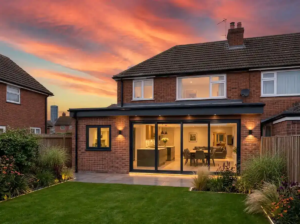
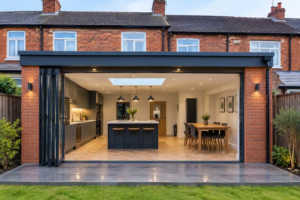
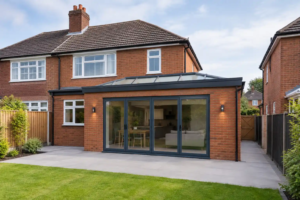
A single-storey extension adds space on one level only. Usually to the kitchen, dining area, or living room.
A double-storey extension adds space across two floors. Typically an extra bedroom upstairs, with living space below.
Both extend your existing footprint. But they affect your home’s layout, cost and value very differently.
Which Adds More Value: Single or Double-Storey?
Double-storey extensions usually add more value in absolute terms. Extra bedrooms boost your home’s overall worth significantly.
However, single-storey extensions often offer stronger value per pound invested. They cost less, but still lift buyer appeal.
According to Nationwide Building Society research, adding a double bedroom can increase property value by 10-15% on average.
Single-storey kitchen extensions typically add 5-8% to property value. Still strong, for a smaller upfront cost.
How Much Does Each Extension Type Cost?
Costs vary by size, finish and location. Here’s what Birmingham homeowners typically pay.
| Extension Type | Average Cost (Birmingham) | Typical Size |
| Single-storey | £25,000–£45,000 | 15–25m² |
| Double-storey | £55,000–£90,000 | 30–50m² (both floors) |
Double-storey extensions cost more overall. But per square metre, they’re often better value.
That’s because you’re not paying twice for foundations and roofing.
Comparing Return on Investment
Return on investment (ROI) measures how much value you gain versus what you spend.
Single-storey extension:
- Lower upfront cost
- Faster build time
- Strong ROI on kitchen and living space additions
- Best suited to bungalows or smaller homes
Double-storey extension:
- Higher upfront cost
- Adds a full extra bedroom
- Stronger absolute value increase
- Best suited to family homes needing more bedrooms
If your home already has enough bedrooms, single-storey usually wins on ROI.
When Does a Single-Storey Extension Make More Sense?
Single-storey extensions suit specific situations well. Consider one if:
- You need more kitchen or living space, not bedrooms.
- Your budget is under £50,000.
- Your property already has enough sleeping space.
- Planning restrictions limit height in your area.
- You want a faster build with less disruption.
Open-plan kitchen extensions remain hugely popular across Birmingham suburbs like Solihull and Sutton Coldfield.
When Does a Double-Storey Extension Make More Sense?
Double-storey extensions suit growing families and long-term investors. Consider one if:
- You need an extra bedroom or bathroom.
- Your household is growing, or likely to.
- You’re planning to stay long-term, not sell soon.
- Your plot has room to build upward, not just outward.
- You want maximum value added per project.
One real example: a JMA Group client in Birmingham added a double-storey extension. It included a new bedroom and larger kitchen-diner below.
The property’s value increased by an estimated £65,000. Their build cost was £72,000. That’s a strong long-term return, especially given the added living space.
What Affects the Value Added by Either Option?
Several factors influence how much value you actually gain.
a. Location matters most. Extensions in high-demand Birmingham areas add more value than in slower markets.
b. Quality of finish matters too. Cheap fittings and poor design limit your returns significantly.
c. Planning permission status affects buyer confidence. Extensions with full building regulations approval reassure future buyers.
d. Proportion to the existing house matters. Overly large extensions can actually reduce a home’s overall appeal.
Do You Need Planning Permission for Either Extension?
Many single-storey extensions fall under Permitted Development rights. This means no planning application is needed.
Double-storey extensions more often require full planning permission. Especially if they affect neighbouring properties’ light or privacy.
Always check with your local Birmingham council before starting work. Rules vary by conservation area and property type.
JMA Group handles planning applications for clients throughout the process.
Which Option Should You Choose?
Ask yourself these three questions first.
a. Do you need more bedrooms, or more living space?
Bedrooms point towards double-storey. Living space points towards single-storey.
b. What’s your realistic budget?
Under £50,000 usually means single-storey. Above that opens double-storey options.
c. Are you extending to sell, or to stay?
Selling soon favours single-storey’s faster, lower-risk return. Staying long-term favours double-storey’s bigger value boost.
Frequently Asked Questions
1. Does a double-storey extension always add more value than single-storey?
Usually, yes, in absolute terms. But single-storey often provides better value relative to build cost.
2. How much does a single-storey extension cost in Birmingham?
Typically £25,000 to £45,000, depending on size, finish and structural requirements involved.
3. Do I need planning permission for a double-storey extension?
Often yes, especially if it affects neighbouring light or privacy. Always check local council rules first.
4. How long does a double-storey extension take to build?
Most double-storey extensions take 4 to 6 months, depending on complexity and weather conditions.
5. Can I add a double-storey extension to a bungalow?
Yes, though this typically requires full planning permission and structural assessment beforehand.
6. What adds more value: a bedroom or a bigger kitchen?
Bedrooms generally add more value, but open-plan kitchens strongly boost buyer appeal too.
7. Is it cheaper to build up or build out?
Building up (double-storey) often costs less per square metre than extending outward alone.